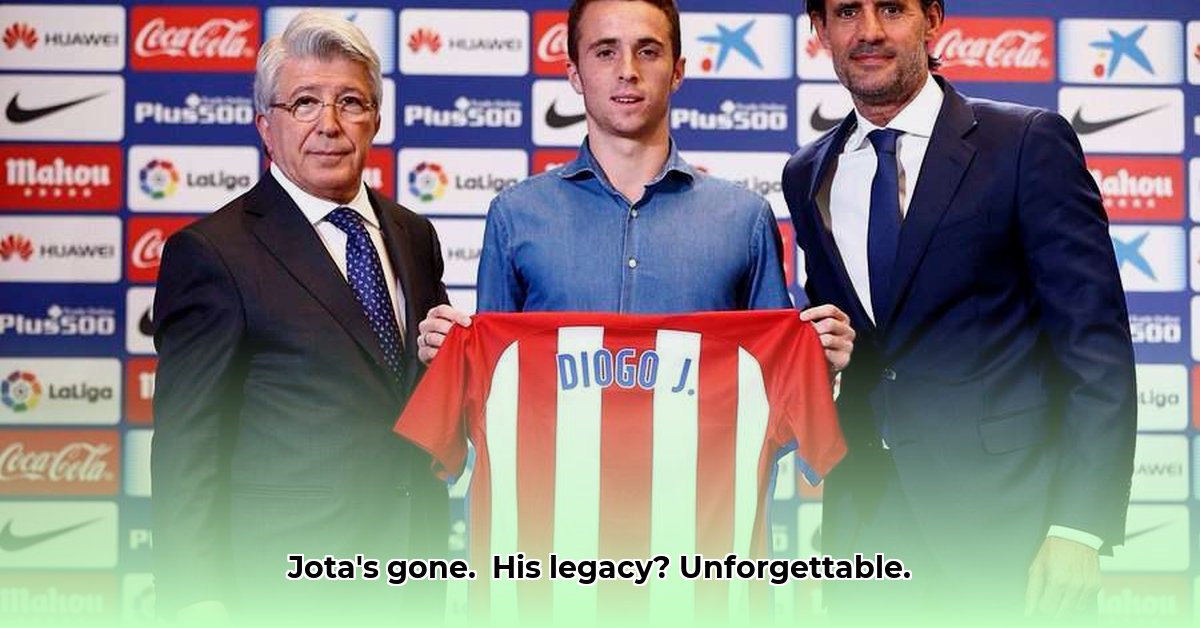
A Nation's Grief, A Legacy's Bloom
Tragedy struck the football world on July 4th, 2025, with the devastating news of the passing of Liverpool's Diogo Jota and his brother, André Silva, in a car accident in Spain. The question, “Is Jota dead?”, reverberated globally, leaving a void in the hearts of millions. This wasn't merely a sporting loss; it was the silencing of two vibrant lives, leaving an indelible mark on family, friends, teammates, and fans worldwide. This article explores the events, the aftermath, and the enduring legacy of these two brothers.
The Horrific Reality: A Life Cut Short
Initial reports described a high-speed accident involving a Lamborghini. The details remain under investigation, but the incident's devastating consequences left the world reeling. Jota's recent marriage, filled with joy and promise, now stands in stark contrast to the sudden, tragic end to his life.
A Wave of Grief: A World Mourns
The football community was plunged into mourning. Tributes flooded in from across the globe, reflecting the profound impact Jota and Silva had on the sport and beyond. From Cristiano Ronaldo's heartfelt message to Jürgen Klopp’s emotional statement, the outpouring of grief highlighted Jota's immense popularity and the love and respect he commanded. The sheer volume of tributes underscores the depth of his influence on fans, teammates, and the wider global community. His legacy extends far beyond football, impacting the lives of those who knew him and those who only knew his name.
The Long Road to Healing: A Legacy Emerges
Liverpool FC immediately responded, providing grief counselling and support to players and staff. In Portugal, the tragedy prompted a renewed focus on athlete road safety awareness and player welfare initiatives. While the pain remains immeasurable for Jota and Silva’s family, conversations have begun regarding the establishment of foundations in their honour, potentially focusing on youth development or road safety awareness. The seeds of positive change, born from a devastating loss, offer a glimmer of hope.
Lessons Learned, Changes Ahead
Jota’s death serves as a poignant reminder of life’s fragility. It forces a reflection on the balance between ambition, risk, and personal safety. This tragedy highlights the need for stricter regulations, enhanced awareness programs, and improved support systems for athletes navigating the pressures of elite sport. The ongoing investigation into the accident is likely to result in comprehensive reviews of road safety legislation and will undoubtedly involve considerable legal procedure concerning compensation and inheritance matters.
Three Pivotal Points:
- The immense global outpouring of grief following Jota's death underscores his widespread influence and popularity.
- The tragedy has prompted significant discussions concerning road safety for athletes and improved player welfare programmes.
- Liverpool FC's immediate response, including the provision of counselling and support, serves as a model for other organisations in handling similar tragedies.
Jota's Passing: Navigating Grief in the World of Professional Sport
Jota's passing highlighted the significant challenges faced by athletes when dealing with grief within the high-pressure environment of professional sport. The question of how to cope with loss while performing at the highest level requires careful consideration.
The Impact of Grief on Athletes
The pressure on athletes to maintain peak performance, even amidst personal tragedy, can significantly complicate the grieving process. The added pressure of public scrutiny and media attention intensifies this challenge.
Liverpool FC's Response: A Case Study
Liverpool FC's swift and proactive response – providing access to mental health professionals, chaplains, and fostering peer support – sets a powerful example. However, this is just the first stage. Focusing on long-term strategies, such as implementing routine mental health checks and tailored grief management training, is crucial for sustainably supporting athletes’ well-being.
The Path Forward: Prioritising Wellbeing
This tragedy serves as a stark reminder that athletes are human beings who experience grief profoundly, just as anyone else does. Investing in mental health resources should not be seen as a reaction to tragedies but as an essential part of athlete care. The sporting world needs to normalise conversations about mental health and grief to foster resilience and support within the community. The legacy of Jota and Silva should be one that fuels positive change and strengthens support systems for athletes.